
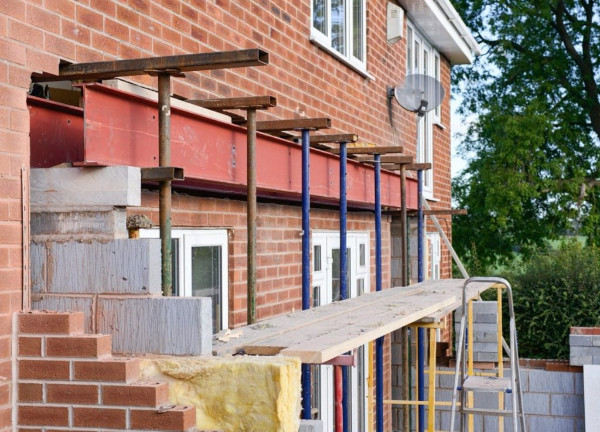
RSJ Installation Service in UK is one of the most critical elements in modern renovation and structural alteration projects. Whether you are planning to remove a load-bearing wall, extend your property, or redesign an internal space, RSJ (Rolled Steel Joist) installation plays a vital role in ensuring safety, stability, and compliance with UK building standards. Across residential and commercial properties in the UK, RSJ installation has become an essential engineering solution for creating open-plan layouts and supporting structural loads effectively.
In today’s construction and renovation industry, structural modifications are more common than ever. Homeowners want larger kitchens, open living areas, and improved spatial flow, while commercial developers seek flexible interior layouts. This is where RSJ installation becomes indispensable. Without proper steel support, removing structural walls can lead to severe safety risks and long-term damage. In this blog, we will explore everything about RSJ installation services, including their purpose, process, costs, regulations, and how to choose the right professionals in the UK.
RSJ Installation Service in UK: Essential Structural Support in Modern Renovations
RSJ Installation Service in UK has become a fundamental requirement in property renovation, especially when dealing with structural wall removals or extensions. In many older UK properties, internal walls are often load-bearing, meaning they support the weight of the structure above. Removing these walls without proper reinforcement can compromise the entire building’s stability. This is why RSJ beams are installed to redistribute loads safely and maintain structural integrity.
The demand for RSJ installation has grown significantly due to the popularity of open-plan living spaces. Modern homeowners prefer interconnected kitchens, dining areas, and living rooms that create a spacious and social environment. RSJ beams make this possible by replacing load-bearing walls with strong steel supports that carry the load efficiently.
In addition to residential projects, RSJ installation is widely used in commercial refurbishments. Offices, retail units, and hospitality spaces often require structural changes to improve layout efficiency. RSJ beams allow architects and builders to redesign interiors without compromising safety or stability. Furthermore, compliance with UK Building Regulations ensures that every RSJ installation is properly calculated and approved by structural engineers and building control authorities.
What is an RSJ and Why is it Important?
An RSJ, or Rolled Steel Joist, is a structural steel beam designed to support heavy loads in construction projects. It is commonly used when removing load-bearing walls or creating large open spaces within a building. RSJs come in various sizes and strengths depending on the load they need to support.
The importance of RSJ beams lies in their ability to transfer weight from weakened or removed structural elements to stronger supporting points, such as external walls or steel columns. Without RSJs, many modern architectural designs would not be possible.
In UK homes, especially traditional brick properties, internal walls often play a crucial structural role. RSJ installation allows these walls to be safely removed while maintaining the building’s integrity. This is particularly important in renovations involving kitchen expansions, loft conversions, and rear extensions.
Common Applications of RSJ Installation in UK Properties
RSJ installation is used in a wide range of construction and renovation scenarios across the UK. One of the most common applications is in open-plan kitchen conversions. Homeowners often want to merge kitchens and dining rooms, which usually involves removing a supporting wall and replacing it with an RSJ beam.
Another popular application is rear extensions. When extending a property, RSJ beams are used to support new openings between the existing structure and the extension. This ensures that the original building remains stable while accommodating the new construction.
Loft conversions also rely heavily on RSJ installation. When adding a new floor or converting attic spaces, steel beams are required to support the additional load and distribute weight safely.
Commercial buildings also benefit from RSJ installation during refurbishments. Retail spaces may require open layouts for better customer flow, while office environments often need flexible structural configurations.
The RSJ Installation Process Explained
The RSJ installation process involves careful planning, engineering calculations, and professional execution. It begins with a structural assessment carried out by a qualified engineer. This assessment determines whether a wall is load-bearing and what size RSJ beam is required.
Once the design is finalized, building control approval is required to ensure compliance with UK regulations. This step is essential for safety and legal reasons.
Next, temporary supports are installed before any structural wall removal begins. These supports hold the weight of the building while the RSJ beam is positioned. The wall is then carefully removed, and the steel beam is installed in its place.
The RSJ is typically set into load-bearing walls on both ends and secured using padstones or steel plates. Once installed, the structure is tested to ensure stability. Finally, the area is finished with plastering and decorative work to restore the interior appearance.
Building Regulations and Compliance in the UK
Building regulations are a critical aspect of RSJ installation in the UK. Any structural alteration must comply with local authority guidelines to ensure safety and long-term durability.
A structural engineer must calculate load requirements and specify the correct beam size. These calculations are then submitted to building control for approval. Inspectors may visit the site during and after installation to ensure compliance.
Failure to follow building regulations can lead to serious consequences, including legal issues, insurance problems, and structural failure. This is why professional RSJ installation services always include compliance management as part of their offering.
Costs of RSJ Installation Service in UK
The cost of RSJ installation varies depending on several factors, including project complexity, beam size, property type, and labor requirements. On average, small residential projects may cost a few thousand pounds, while larger structural modifications can be significantly more expensive.
Material costs include the RSJ beam itself, which varies based on length and strength. Additional costs include structural engineer fees, building control approval, labor, and finishing work such as plastering and decorating.
Access to the site can also affect pricing. For example, installing RSJ beams in tight or multi-storey properties may require additional equipment and labor.
While RSJ installation can be costly, it is an essential investment in safety and structural integrity. Cutting corners in this area can lead to severe long-term damage and higher repair costs.
Safety Considerations in RSJ Installation
Safety is the most important factor in any RSJ installation project. Structural work involves significant risks, including collapse if not handled correctly. This is why professional expertise is essential.
Temporary supports must be installed correctly before any wall removal begins. Engineers must ensure that load calculations are accurate and that beams are properly positioned.
Workers must also follow strict safety protocols, including the use of protective equipment and controlled demolition techniques. Regular inspections during the process ensure that the structure remains stable at all times.
In addition, compliance with health and safety regulations protects both workers and occupants of the property.
Choosing the Right RSJ Installation Contractor in the UK
Selecting the right contractor for RSJ installation is crucial for ensuring quality and safety. Not all builders are qualified to carry out structural steel work, so it is important to choose experienced professionals.
A reliable contractor should have experience in structural alterations and should work closely with qualified engineers. They should also be familiar with UK building regulations and approval processes.
Checking previous projects and customer reviews can help assess the contractor’s reliability. Transparent pricing and clear communication are also important indicators of professionalism.
It is always recommended to choose a company that provides end-to-end services, including design, approval, installation, and finishing.
Benefits of RSJ Installation in UK Renovation Projects
RSJ installation offers numerous benefits for both residential and commercial properties. One of the main advantages is the ability to create open-plan living spaces, which are highly desirable in modern homes.
It also improves structural safety by ensuring that loads are properly distributed. This prevents long-term damage such as cracks, sagging, or structural instability.
Another key benefit is increased property value. Homes with modern layouts and structural improvements are more attractive to buyers and often sell at higher prices.
RSJ installation also provides design flexibility, allowing architects and homeowners to customize interior layouts without structural limitations.
Common Mistakes to Avoid in RSJ Installation
One of the most common mistakes in RSJ installation is underestimating load requirements. Incorrect calculations can lead to structural failure and serious safety risks.
Another mistake is hiring unqualified contractors who lack experience in structural engineering. This often results in poor installation quality and regulatory issues.
Ignoring building regulations is another major risk. All RSJ installations must be approved by building control to ensure compliance and safety.
Proper planning and professional execution are essential to avoid these issues.
Long-Term Performance and Maintenance of RSJ Structures
RSJ beams are highly durable and typically require minimal maintenance once installed correctly. However, regular property inspections are recommended to ensure long-term structural integrity.
Any signs of movement, cracks, or stress in surrounding walls should be assessed by a professional immediately. In most cases, properly installed RSJ beams will last the lifetime of the building without issues.
Environmental factors such as moisture should also be monitored, especially in older properties where damp conditions may affect surrounding materials.
Conclusion
RSJ Installation Service in UK plays a vital role in modern construction and renovation projects, enabling safe structural modifications and innovative architectural designs. From creating open-plan living spaces to supporting large-scale extensions, RSJ beams provide the strength and reliability needed for today’s building standards.
With proper planning, engineering expertise, and professional installation, RSJ solutions ensure safety, compliance, and long-term durability. Whether for residential or commercial use, investing in professional RSJ installation is essential for any structural alteration project in the UK.
For reliable and expert structural renovation solutions, visit GS Renovation Home Improvement.